Routine Eye Exam Scheduling with Focus Optical, Texas
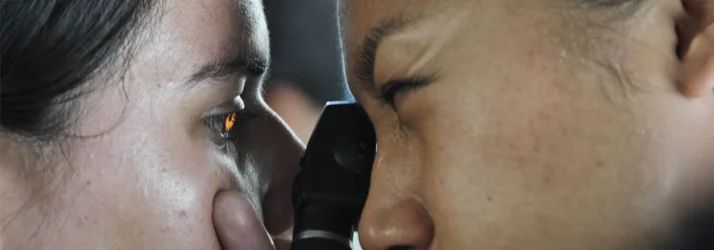
A routine eye exam is one of the most important steps you can take to protect your vision and your overall health. It is far more than a simple check to see if you need glasses; it is a thorough evaluation of your eye health and a window into your body's general wellness. Many serious eye and health conditions have no obvious symptoms in their early stages, and a comprehensive exam is the only way to detect them.
At Focus Optical, our dedicated optometrists in The Woodlands and Spring, Texas, use advanced technology and personalized care to provide eye exams for patients of all ages.
Why Regular Eye Exams Are Important for Your Vision Health
Scheduling a regular eye exam is a vital step in preventive care. Your eyes are complex organs, and their health can be affected by a wide range of factors over time.
Detecting Silent Eye Diseases:
Conditions like glaucoma, diabetic retinopathy, and macular degeneration can cause irreversible vision loss. However, in their initial stages, they often present with no pain, discomfort, or noticeable changes in vision. A comprehensive dilated eye exam allows your optometrist to see the delicate structures inside your eye, such as the retina and optic nerve, enabling them to detect the earliest signs of disease long before you are aware of a problem. Early detection leads to early treatment, which is crucial for preserving your vision.
Identifying Systemic Health Issues:
Your eyes are the only place in the body where a doctor can directly view blood vessels and a cranial nerve without the need for surgery. This unique view can reveal the first signs of serious systemic health conditions. For example, changes in the retinal blood vessels can indicate the presence of high blood pressure, diabetes, or high cholesterol. An eye exam can sometimes lead to the initial diagnosis of these conditions, enabling timely intervention and management.
Ensuring Accurate and Comfortable Vision:
Your vision needs can change gradually over time without you realizing it. An outdated or incorrect prescription for glasses or contact lenses can lead to headaches, eye strain, fatigue, and difficulty with tasks like driving at night. A regular exam ensures your prescription is always up-to-date, providing you with the sharpest, most comfortable vision possible.
What to Expect During a Comprehensive Eye Exam
At Focus Optical, a comprehensive eye exam is a straightforward and comfortable experience. Our knowledgeable staff will guide you through each step.
The exam includes:
- Patient History and Consultation: Discuss your vision concerns, symptoms, health history, and medications to help identify your specific needs.
- Visual Acuity Test: You'll read letters from a standard eye chart to measure your vision sharpness, which is recorded as a fraction, such as 20/20.
- Refraction Assessment: Using a phoropter, your doctor will fine-tune your lens prescription based on your clarity preferences.
- Eye Function Evaluation: Tests will assess the teamwork of your eyes, depth perception, peripheral vision, and pupil response.
- Tonometry (Eye Pressure Test): This painless test screens for glaucoma by measuring intraocular pressure.
- Slit Lamp Examination: A detailed evaluation of the front structures of your eye to check for issues like dry eye or cataracts.
- Dilated Retinal Examination: Special eye drops dilate your pupils, allowing for a thorough examination of the retina and optic nerve to detect any diseases.
Common Eye Conditions Detected with an Eye Exam
An eye exam can find many problems before you notice any symptoms. Early detection is important for effective treatment and protecting your vision:
- Refractive Errors: These include nearsightedness (myopia), farsightedness (hyperopia), and astigmatism. You can easily correct these issues with the help of glasses or contact lenses.
- Glaucoma, known as the "silent thief of sight," damages the optic nerve without exhibiting early symptoms. An eye exam can check for changes in eye pressure and the optic nerve before you lose significant vision.
- Cataracts: Cataracts cause the eye's natural lens to gradually cloud over. Your doctor can detect early signs of cataracts and monitor their progression over time.
- Macular Degeneration: This age-related issue affects your central vision, making it hard to read or recognize faces. An exam can reveal early signs and allow for treatments that may slow the progression of the disease.
- Diabetic Retinopathy: If you have diabetes, it's crucial to have a dilated eye exam every year. This exam checks for changes in the retinal blood vessels that can lead to serious vision loss if untreated.
How Often Should Children and Adults Schedule an Eye Exam
The American Optometric Association provides general guidelines for exam frequency, but your doctor may recommend a different schedule based on your personal risk factors:
- Children: The first exam should be between 6 and 12 months of age, followed by another exam at age 3, and again before starting first grade. School-aged children should have an eye exam at least every two years if no vision correction is required, and annually if they wear glasses or contact lenses.
- Adults (18-64): Adults should have an exam at least every two years. Individuals who wear glasses or contacts, or have risk factors for eye disease (such as diabetes or a family history of glaucoma), should undergo annual eye exams.
- Older Adults (65+): Seniors should undergo an annual eye exam to detect age-related conditions such as cataracts, glaucoma, and macular degeneration.
Meet Our Doctors
Dr. Thy Pham Nguyen, OD
A graduate of The New England College of Optometry, Dr. Nguyen specializes in contact lenses, dry eye treatment, and co-management of LASIK and cataract surgery. She has a passion for helping patients with challenging cases, including those with keratoconus.
Dr. Hanh Dinh, OD
Dr. Dinh graduated with honors from Nova Southeastern University and completed a residency in pediatrics and binocular vision. Her background as an ophthalmic technician gives her a comprehensive understanding of eye care.
Dr. Ashley Nguyen, OD, MS
With a Doctor of Optometry and Master of Science from the University of Houston, Dr. Ashley Nguyen manages a wide range of eye conditions, including glaucoma, diabetes, and myopia. She is highly skilled in fitting specialty contact lenses.
Dr. Jacquelin Escoto, OD
Dr. Escoto also earned her optometry degree from the University of Houston. She provides comprehensive eye care, manages ocular diseases, and is an active community volunteer, serving patients in The Woodlands and Spring areas.
Payment and Insurance
To make your visit as smooth as possible, we accept several forms of payment, including cash, major credit cards, and CareCredit.
Focus Optical is in-network with a wide variety of insurance providers:
- Aetna
- BlueCross BlueShield
- Cigna
- EyeMed
- VSP
- UnitedHealthcare
If your insurance provider is not listed here, or if you have questions about your specific coverage and benefits, please don't hesitate to contact our office. Our knowledgeable team is here to help you navigate your plan and maximize your benefits.
Call Today to Schedule your Eye Exam
Your vision is precious. Protect it with a regular comprehensive eye exam at Focus Optical.
The Woodlands Office:
1925 Hughes Landing Blvd #600
The Woodlands, TX 77380
Phone: (832) 225-1150
Springwoods Office:
1700 City Plaza Dr #140
Spring, TX 77389
Phone: (832) 648-4335