Dry Eye Test with Expert Care at Focus Optical, Texas
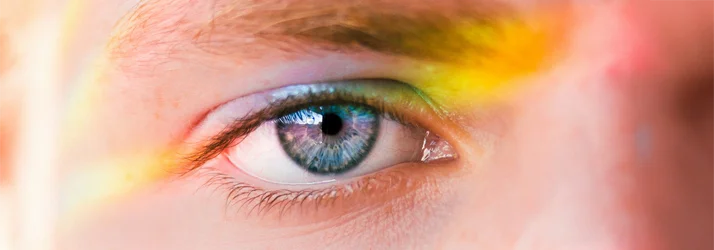
Dry, gritty, and irritated eyes can disrupt everything from reading a book to driving at night or working on a computer. While many people dismiss these feelings as simple eye strain or allergies, they are often hallmark symptoms of Dry Eye Disease, a common and often chronic condition.
At Focus Optical, our expert optometrists in The Woodlands and Spring, Texas, utilize advanced diagnostic tools and personalized treatment plans to get to the root of your discomfort and provide lasting relief.
Understanding Why Dry Eye Happens
Dry Eye Disease occurs when your eyes do not produce enough tears to stay adequately lubricated, or when the tears you produce are of poor quality and evaporate too quickly. A healthy tear film is a complex, three-layer coating that protects and nourishes the front surface of your eye.
- The Mucus Layer (Innermost): This thin layer lies directly on the cornea. Its primary job is to help the watery layer spread evenly over the eye's surface and help the tears stick to the eye.
- The Aqueous Layer (Middle): This is the thickest layer, composed mainly of water, electrolytes, and proteins. The lacrimal glands produce it and are responsible for hydrating the eye, washing away debris, and preventing infection.
- The Oily Layer (Outermost): This lipid layer is produced by tiny meibomian glands located along the rim of your eyelids. This oil is crucial as it creates a protective barrier that prevents the watery layer from evaporating too quickly.
Dry Eye Disease is broadly categorized into two types:
- Aqueous Deficient Dry Eye: This occurs when the lacrimal glands fail to produce enough of the watery component of the tears to maintain a healthy eye surface.
- Evaporative Dry Eye: This is the more common form and results from a deficiency in the oily layer of the tears. When the meibomian glands are blocked or not functioning correctly (a condition called Meibomian Gland Dysfunction or MGD), the tears evaporate faster than they should, leaving the eye exposed and dry.
Many factors can contribute to or worsen dry eye, including age, hormonal changes, autoimmune diseases, prolonged screen time, certain medications like antihistamines, and environmental conditions like wind or dry climates.
Common Symptoms That Warrant a Dry Eye Test
The symptoms of dry eye can vary widely from person to person and can range from mildly annoying to debilitating. It is important not to ignore these signs, as they indicate an underlying issue with your ocular surface health.
Common symptoms include:
- A stinging, burning, or scratchy sensation in your eyes.
- The feeling of having something in your eyes (foreign body sensation).
- Redness and irritation.
- Episodes of blurred vision, especially after reading or using a computer.
- Sensitivity to light (photophobia).
- Difficulty wearing contact lenses comfortably.
- Stringy mucus in or around the eyes.
Excessive watering:
This may seem counterintuitive, but it is a common symptom. When the eye becomes irritated from dryness, the lacrimal gland produces a flood of watery "reflex" tears. However, these tears are of poor quality and lack the necessary oils to properly lubricate the eye, so the cycle of dryness and irritation continues.
How Eye Doctors Diagnose Dry Eye
At Focus Optical, our doctors use a series of specialized tests to analyze the quantity and quality of your tears and assess the health of the glands that produce them.
The diagnostic process may include:
- Detailed Patient History: The evaluation begins with a conversation about your symptoms, general health, medications, and lifestyle factors to identify potential contributing causes.
- Slit Lamp Examination: Using a high-powered biomicroscope, your doctor will carefully examine your eyelids, cornea, and tear film for signs of dryness, inflammation, or damage.
- Tear Break-Up Time (TBUT): We place a small amount of a safe, vegetable-based dye (fluorescein) into your eye. This allows the doctor to see your tear film and time how long it takes for dry spots to appear after a blink. A rapid break-up time is a key indicator of evaporative dry eye.
- Meibomian Gland Evaluation: Your doctor will assess the health and function of your meibomian glands by looking for signs of blockage and gently pressing on the eyelids to examine the quality of the oil (meibum) being secreted.
The Role of Technology in Modern Dry Eye Testing
We utilize state-of-the-art technology for the precise diagnosis of your ocular surface health.
- Meibomography: This advanced imaging captures detailed infrared images of your meibomian glands, helping us identify blockages and structural changes that contribute to evaporative dry eye.
- OptiLIGHT by Lumenis: Our revolutionary Intense Pulsed Light (IPL) treatment not only alleviates inflammation around the meibomian glands but also helps confirm that meibomian gland dysfunction (MGD) is the root cause of your symptoms.
Personalized Treatment Options After Your Dry Eye Test
Once we know the exact cause of your dry eye, we can create a personalized treatment plan.
Your custom plan may include:
- At-Home Care: You might use high-quality artificial tears, prescription eye drops like Restasis® or Xiidra®, eyelid cleaning routines, and Omega-3 fatty acid supplements to improve the oil in your tears.
- In-Office Treatments: If you have Meibomian Gland Dysfunction, we suggest a series of treatments with OptiLIGHT by Lumenis. This non-invasive treatment uses special light to reduce inflammation, minimize problematic blood vessels, and help your meibomian glands work properly, offering long-lasting relief.
Our doctors will help you find the best mix of treatments to keep you comfortable and protect your eye health for the future.
Meet Our Doctors
Dr. Thy Pham Nguyen, OD
A graduate of The New England College of Optometry, Dr. Nguyen specializes in contact lenses, dry eye treatment, and co-management of LASIK and cataract surgery. She has a passion for helping patients with hard-to-fit cases, including keratoconus.
Dr. Hanh Dinh, OD
Dr. Dinh graduated with honors from Nova Southeastern University and completed a residency in pediatrics and binocular vision. Her background as an ophthalmic technician gives her a comprehensive understanding of eye care.
Dr. Ashley Nguyen, OD, MS
With a Doctor of Optometry and Master of Science from the University of Houston, Dr. Ashley Nguyen manages a wide range of eye conditions, including glaucoma, diabetes, and myopia. She is highly skilled in fitting specialty contact lenses.
Dr. Jacquelin Escoto, OD
Dr. Escoto also earned her optometry degree from the University of Houston. She provides comprehensive eye care, manages ocular diseases, and is an active community volunteer, serving patients in The Woodlands and Spring areas.
Payment and Insurance
To make your visit as smooth as possible, we accept several forms of payment, including cash, major credit cards, and CareCredit.
Focus Optical is in-network with a wide variety of insurance providers:
- Aetna
- BlueCross BlueShield
- Cigna
- EyeMed
- VSP
- UnitedHealthcare
If your insurance provider is not on this list, or if you have any questions about your specific coverage and benefits, please do not hesitate to contact our office. Our knowledgeable team is here to help you navigate your plan and maximize your benefits.
Schedule Your Appointment Today
Do not let dry eye symptoms diminish your quality of life. Contact Focus Optical today to schedule your comprehensive dry eye evaluation.
The Woodlands Office:
1925 Hughes Landing Blvd #600
The Woodlands, TX 77380
Phone: (832) 225-1150
Springwoods Office:
1700 City Plaza Dr #140
Spring, TX 77389
Phone: (832) 648-4335